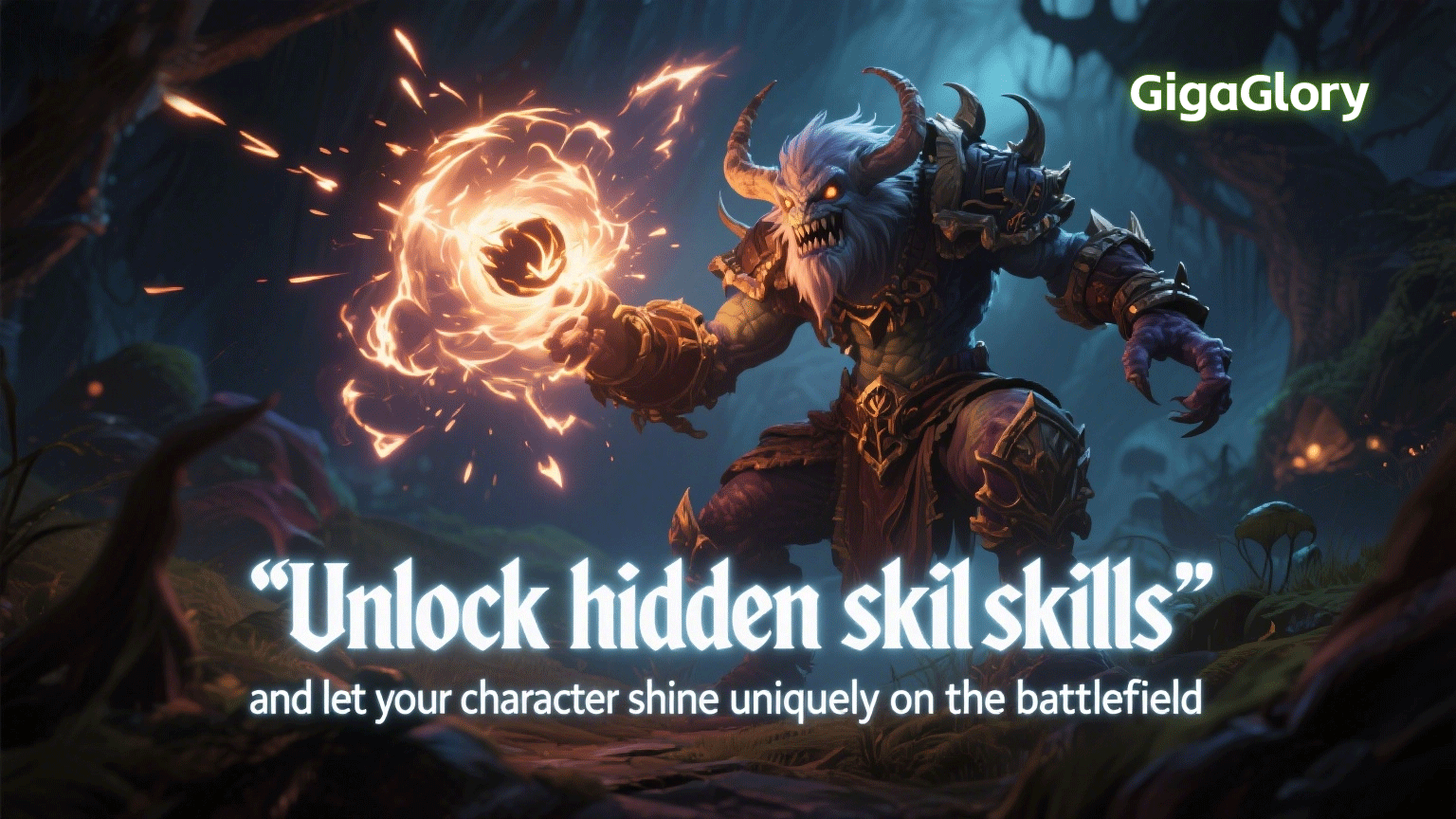
Unlocking Creativity: How Open World Games Revolutionize Puzzle Game Design
In recent years, the gaming industry has seen a massive shift, particularly with the advent of open world games. These expansive digital landscapes provide players with a sense of freedom and exploration that was previously unattainable. One area that has particularly benefitted from this revolution is puzzle games. In this article, we’ll examine how open world games are transforming the design and experience of puzzle games, using examples like Kingdom Rush Frontiers and others to illustrate key points.
Understanding Open World Games
Open world games allow players to explore a virtual environment without linear restrictions. This freedom encourages creativity not just from the developers' point of view but also from players. They can choose their paths, encounter challenges, and solve puzzles in a non-linear manner. This is a stark contrast to traditional games, which often force players into a specific sequence of events.
The Evolution of Puzzle Games
Puzzle games have traditionally depended on static gameplay mechanics. Players faced challenges in isolated environments, usually in a linear progression. But with the introduction of open world concepts, puzzle games are now evolving into something much more dynamic and engaging.
Benefits of Open World Designs for Puzzle Games
- Increased Player Engagement: Open worlds draw players in, providing a sense of ownership over their gameplay experience.
- Diverse Problem-Solving Opportunities: These games can include a variety of puzzles scattered throughout the environment, allowing players to encounter challenges in unique contexts.
- Enhanced Creativity: Players can experiment with different solutions, gaming mechanics, and even create their own challenges based on the environment.
Case Study: Kingdom Rush Frontiers
Kingdom Rush Frontiers is a popular tower defense game but incorporates puzzle elements by demanding strategic placement of towers that solve different challenges. Its blend of open world mechanics with puzzle elements demonstrates how those two genres can coalesce beautifully, offering players rich gameplay experiences.
Key Features of Modern Puzzle Games
| Feature | Description |
|---|---|
| Exploration | Players navigate vast landscapes to uncover hidden puzzles that contribute to the narrative. |
| Interactive Environments | Settings that react to the player's actions, enhancing immersion. |
| Non-linear Puzzle Solving | Players are not confined to a specific order, leading to a more personalized experience. |
| Creative Solution Options | Puzzles can often be approached in multiple ways, allowing players to discover their own solutions. |
The Role of Narrative in Puzzle Games
Narrative elements significantly enhance the experience of puzzle games. They create a context for challenges and motivate players to engage with different aspects of the game. In open worlds, the dialogue and storylines can branch based on player choices, thus impacting puzzle design.
Examples of Innovative Open World Puzzle Games
- Braid: Pioneered time manipulation mechanics within an open world, allowing for complex puzzle constructions.
- The Legend of Zelda: Breath of the Wild: Known for its vast open world, which engages players in clever puzzle solving through exploration.
- Portal Knights: Combines RPG elements with puzzle gameplay, allowing players to solve challenges in an open setting.
Challenges in Integrating Puzzle Mechanics into Open Worlds
While the fusion of open world and puzzle mechanics can elevate gameplay, it does present several challenges:
- Balancing Challenge and Accessibility: Too difficult, and players may get frustrated; too easy, and they may lose interest.
- Story and Puzzle Integration: Ensuring that puzzles fit organically within the story is crucial to maintaining immersion.
- Resource Management: Open worlds require considerable resources to create, which can impact the depth of puzzles included.
The Future of Puzzle Design in Open Worlds
As technology continues to evolve, the potential for integrating more complex puzzles into open world games grows. With advancements in AI and machine learning, future games could offer dynamically generated puzzles that adapt to player skill levels and styles.
Conclusion
Open world games are revolutionizing puzzle game design by enhancing aspects like exploration, narrative, and player creativity. The blend of these elements creates engaging and immersive experiences not possible in traditional games. As we look to the future, the possibilities for innovative puzzle mechanics in open worlds are endless. The industry is moving towards unlocking not just creativity for developers, but also for players around the globe.